Resources · Materials
The best wood for a sauna
There's no single winner — there's the right wood for the job. Western Red Cedar is the aromatic, rot-resistant classic; hemlock and Nordic spruce are clean, stable choices for walls; and low-resin aspen or alder is best where your skin touches, because it stays cool. The real skill is matching the wood to the place: the benches you sit on aren't the walls.
By Vadim, licensed general contractor (GC · C-10 · C-20) · Last reviewed July 2026
There's no single "best" — there's the right one for the job
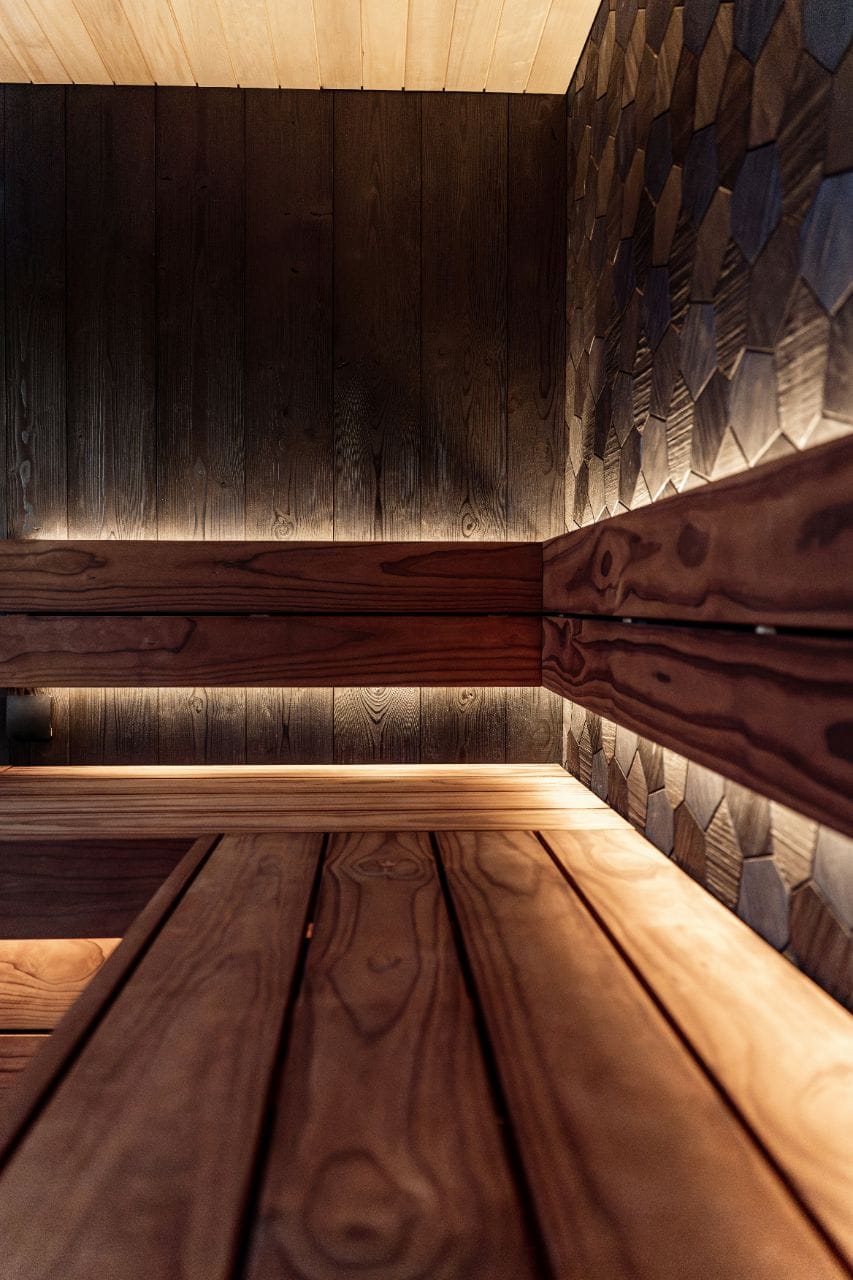
Ask what the best sauna wood is and you'll get a dozen confident answers. The truth is quieter: a good sauna uses the right wood in the right place. The walls are chosen for look, scent and stability; the benches and backrests for how they feel against hot skin; the exterior of an outdoor build for weather. Get those matched and the "best wood" question mostly answers itself.
The classic choices
Western Red Cedar
The premium classic — aromatic, naturally rot- and moisture-resistant, and dimensionally stable, so it moves little with heat and humidity. The warm scent is the draw for most people (and the one thing to sample first — it's love-it-or-live-with-it).
Hemlock
Pale, smooth and close to scent-neutral, hemlock is a stable, popular all-rounder for interiors. A clean, modern look and easy to live with for anyone who doesn't want a strong aroma.
Nordic Spruce
The traditional Finnish wall wood — light-toned, classic, and honest. Available knotty for a rustic look or clear for a calmer one. It's what a lot of authentic saunas are lined in.
Aspen & Alder
Very low-resin, pale, near-odorless woods that stay comfortable to the touch even when the room is hot — which is exactly why they're the go-to for benches, backrests and anyone scent-sensitive.
The rule most guides miss: cool where you sit
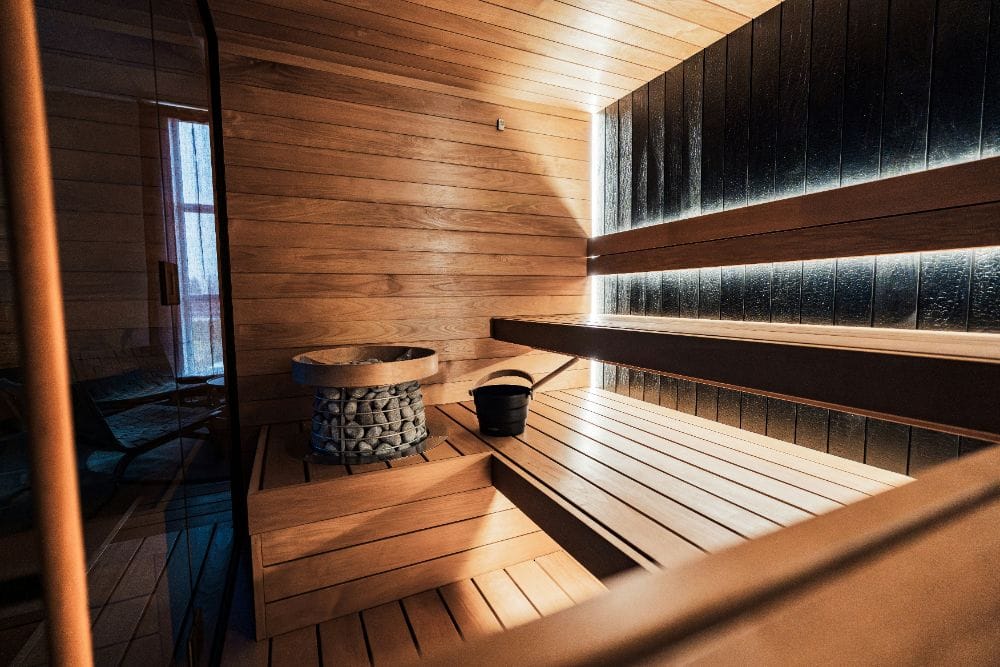
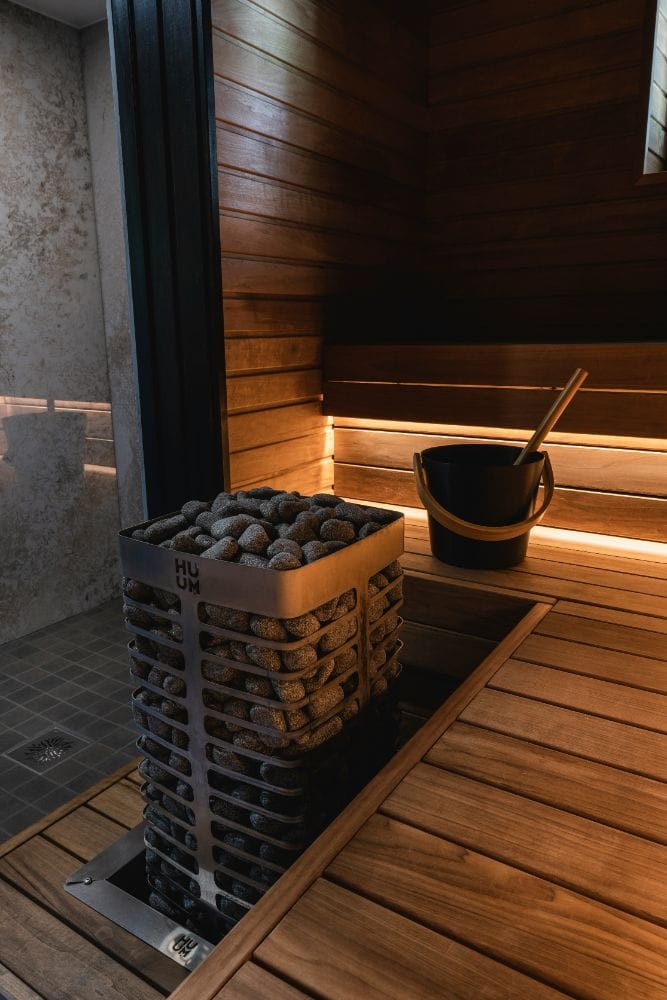
Here's the distinction that separates a comfortable sauna from a good-looking one: the wood you touch should be different from the wood on the walls. Benches, backrests and headrests want a low-density, low-resin wood — aspen, alder, basswood — that stays comfortable to the touch even when the room is hot and won't weep sap onto you. The walls can be cedar or spruce for their tone and aroma. Line an entire sauna in a dense, resinous wood and the benches will tell you about it. It's the kind of detail you get from a builder, not a catalog.
Outdoor, coastal, and what to avoid
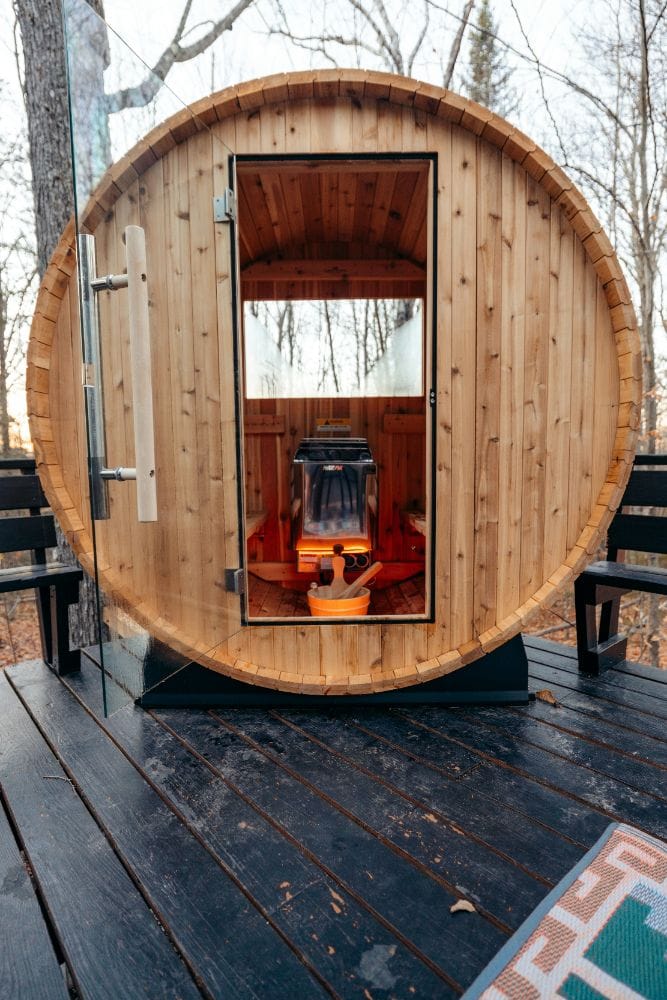
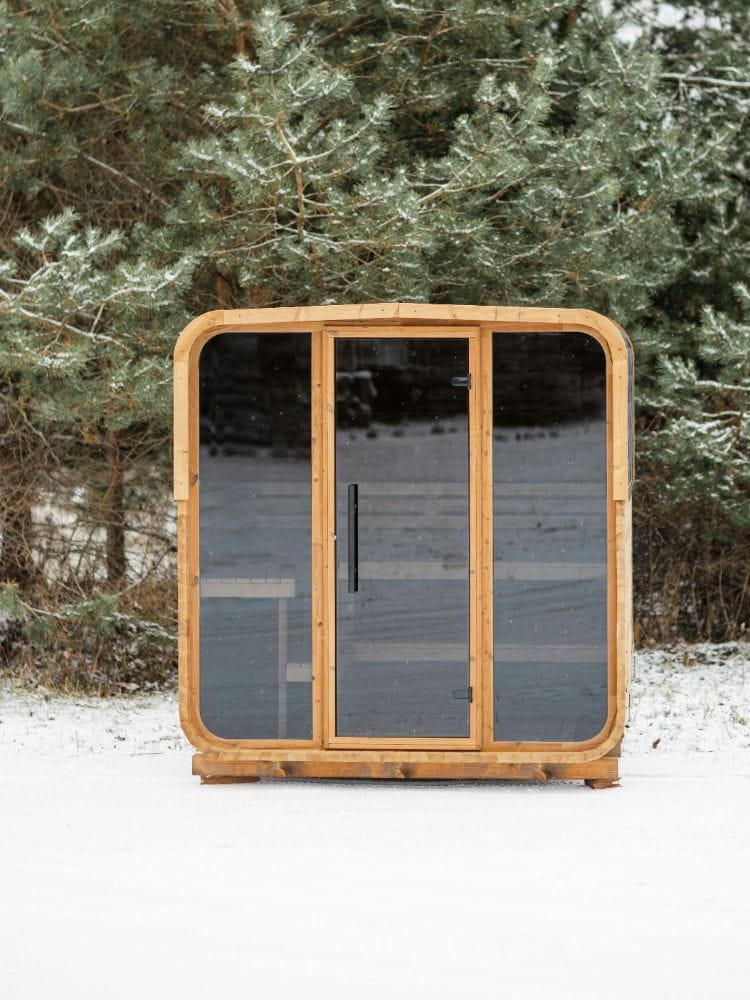
- Outdoor exteriors take the weather, so rot-resistant cedar or thermally-modified woods earn their place — and near the coast, fog and salt air raise the bar (more on that on the outdoor page).
- Skip resinous softwoods like pine and fir inside the hot room — they weep sap and can get too hot to lean on.
- Never seal or varnish the interior. Bare sauna-grade wood is what keeps benches comfortable and lets the room breathe; sealants trap heat and moisture and off-gas where you don't want it. (Keeping that bare wood right is in the maintenance guide.)
Wood is also one of the bigger swings in a build's price — the cost guide covers where it sits among the drivers.
Sauna wood FAQ
Wood questions, straight answers.
What's the best wood for a sauna?
Is cedar really the best sauna wood?
What wood should the benches be made of?
Can I use pine in a sauna?
Does an outdoor sauna need different wood?
Do I seal or treat sauna wood?
Want the right wood for your build?
We'll show you the options — and where each belongs.
Tell us the look you're after and we'll walk you through the woods that fit — walls, benches and, for an outdoor build, the exterior — with real samples at the site visit. A sauna specialist answers, and the visit is free.
The site visit is free — and you keep the work
- A layout sketch for your space
- Heater sizing done right for the room
- A licensed 240V load check
- Your permit path, mapped
A real, fast callback — no email runaround.